

-
Do You Have
a Claim?Do not feel as though you have to go through this process on your own. Find out if you qualify to receive benefits now.
About SSD Eligibility -
Proud Advocates
for the DisabledYour choice in advocacy could be instrumental to the success of your case. Don’t put your financial benefits at risk!
How We Can Help You -
No Fees
Until We WinOur ultimate goal is to maximize your approval and minimize any complication. You pay no fees unless we win!
Get Started Today
 One of the most common questions people ask after applying for Social Security Disability benefits is whether they are allowed to work while receiving benefits. The answer is yes—but there are important limitations and rules that every applicant and beneficiary should understand.
Many people receiving disability benefits still want to remain active, earn supplemental income, or test whether they are capable of returning to work. However, earning too much income or failing to report work activity properly can put benefits at risk. Understanding how the Social Security Administration evaluates work activity is critical for protecting your eligibility.
The rules can feel confusing at first, especially because they differ depending on whether you receive SSDI or SSI benefits. Knowing the difference can help you avoid costly mistakes.
Social Security Disability Insurance, commonly known as SSDI, is based on your work history and the payroll taxes you paid into the system over time. Supplemental Security Income, or SSI, is a needs-based program designed for individuals with limited income and financial resources. Because these programs are structured differently, the work rules are also different.
For SSDI recipients, the Social Security Administration primarily focuses on something called “Substantial Gainful Activity,” often referred to as SGA. This refers to the amount of income you earn through work. If your earnings exceed a certain monthly limit, Social Security may determine that you are no longer disabled under its rules.
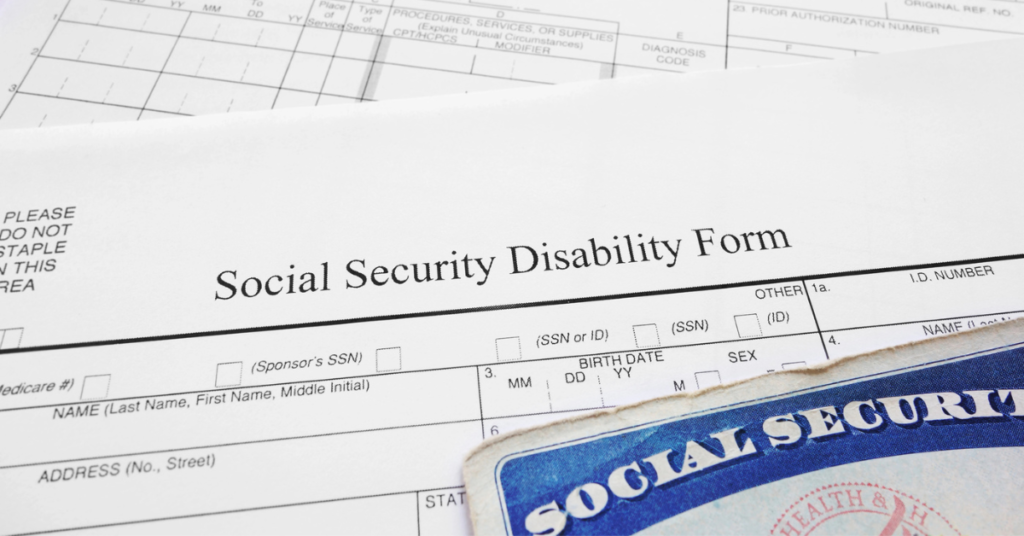
However, working does not automatically mean you lose your benefits immediately.
The Social Security Administration understands that some people may attempt to return to work but later realize they cannot sustain employment because of their medical condition. To encourage people to try working without fear of instantly losing benefits, Social Security offers several work incentive programs.
One of the most important is the Trial Work Period. This program allows SSDI recipients to test their ability to work for a limited period of time while continuing to receive full disability benefits regardless of how much they earn. During this period, beneficiaries can explore whether they are physically and mentally capable of maintaining employment without immediately jeopardizing their monthly checks.
After the Trial Work Period ends, Social Security evaluates whether the individual’s earnings exceed the allowable limit for disability benefits. If earnings remain below the threshold, benefits may continue. If earnings consistently exceed the limit, benefits could eventually stop.

SSI recipients face a different system because SSI is based on financial need. In general, any earned income can reduce the monthly SSI payment amount. However, Social Security does not count every dollar earned. Certain exclusions and deductions may apply, allowing recipients to work part time while still receiving partial SSI benefits.
In many cases, individuals receiving SSI can still benefit financially from working because total monthly income may increase even if the SSI payment is reduced.
It is also important to understand that Social Security looks beyond income alone. The agency may examine the nature of the work being performed, the number of hours worked, accommodations provided by employers, and whether the individual is receiving special assistance to maintain employment.
For example, someone working only a few hours per week with significant accommodations due to their disability may still qualify for benefits even if they are technically employed.
One of the biggest mistakes people make is failing to report work activity to Social Security. Whether you receive SSDI or SSI, you are generally required to notify the agency if you begin working, change jobs, reduce hours, or experience changes in income. Failing to report earnings accurately can result in overpayments, penalties, or even allegations of fraud.
Keeping detailed records of wages, work schedules, and communications with Social Security can help avoid future complications.
Many people also worry that attempting to work could permanently ruin their disability case. Fortunately, Social Security has programs designed to protect individuals who try returning to work but later discover they cannot continue due to their condition.
For instance, some individuals may qualify for expedited reinstatement if benefits previously stopped because of work activity but the medical condition later prevents continued employment. This can allow benefits to resume more quickly without filing an entirely new application.
The decision to work while receiving disability benefits is highly personal and depends on several factors, including your medical condition, financial situation, and long-term goals. For some individuals, part-time work provides financial relief, social interaction, and a sense of independence. For others, attempting to work may worsen symptoms or create additional stress.
Because the rules surrounding disability benefits and employment can be complicated, many beneficiaries benefit from speaking with an experienced disability attorney or advocate before returning to work. Understanding the limits, reporting requirements, and available work incentives can help you make informed decisions while protecting your benefits.
Receiving disability benefits does not necessarily mean you can never work again. In many situations, Social Security encourages individuals to explore their ability to work while providing safeguards designed to ease the transition. The key is understanding the rules and staying proactive so that your benefits and financial stability remain protected.
Navigating the intricacies of Social Security Disability benefits can be made more manageable with the assistance of the expert North Carolina disability specialists, Golson, McCracken Inc. Our team specializes in advocating for the rights of the disabled and offers our clients comprehensive support throughout the application and appeals process.
Golson, McCracken Inc. provides services across North Carolina including Raleigh, Sanford, Mebane, Greensboro, and Charlotte. If you suffer from a disability in North Carolina, contact North Carolina SSDI and SSI advocate Golson, McCracken Inc. to enhance your chances of successfully securing the benefits you need.
-
Do You Have
a Claim?Do not feel as though you have to go through this process on your own. Find out if you qualify to receive benefits now.
About SSD Eligibility -
Proud Advocates
for the DisabledYour choice in advocacy could be instrumental to the success of your case. Don’t put your financial benefits at risk!
How We Can Help You -
No Fees
Until We WinOur ultimate goal is to maximize your approval and minimize any complication. You pay no fees unless we win!
Get Started Today
