

-
Do You Have
a Claim?Do not feel as though you have to go through this process on your own. Find out if you qualify to receive benefits now.
About SSD Eligibility -
Proud Advocates
for the DisabledYour choice in advocacy could be instrumental to the success of your case. Don’t put your financial benefits at risk!
How We Can Help You -
No Fees
Until We WinOur ultimate goal is to maximize your approval and minimize any complication. You pay no fees unless we win!
Get Started Today

When applying for Social Security Disability benefits, one of the most important—and often confusing—parts of the process is gathering the right medical records. Many people think that simply having a diagnosis should be enough to qualify. While a diagnosis is essential, it’s just one piece of the puzzle. What really matters is how that condition limits your ability to function on a daily basis, especially in a work environment.
The Social Security Administration (SSA) reviews thousands of claims each year, and they are not just looking for a list of conditions or prescriptions. They’re trying to understand whether your condition meets their definition of “disability.” That means they want clear, consistent documentation showing how your illness or injury affects your ability to perform basic work activities—things like standing, sitting, lifting, concentrating, and completing tasks reliably. Medical records are the most credible way to communicate that story.

So, what kind of medical records actually make a difference? First and foremost, you need treatment records from your primary care physician and any specialists. These records should include details about your symptoms, diagnoses, treatment plans, and especially your responses to treatment. If your doctor has prescribed medication or therapy, it’s helpful to show how effective those treatments have been—or if they haven’t helped much at all. The SSA wants to see what efforts have been made to improve your condition and whether your limitations still persist despite those efforts.
Equally important are progress notes from your visits. These are the written summaries that doctors make during appointments. They often contain valuable details that can support your claim, such as observations about your mobility, mental clarity, pain levels, and daily challenges. For instance, if your doctor noted that you had trouble getting onto the exam table, or that you appeared confused or fatigued, those notes help paint a picture of how your condition affects you in real life.
Imaging and test results—such as MRIs, X-rays, bloodwork, and cognitive evaluations—are also useful. While test results alone won’t win your case, they can support your claim by confirming the presence or severity of a condition. For example, an MRI that shows nerve compression can help validate your report of chronic back pain and limited mobility.
Mental health records are just as critical as physical health records. If you’re dealing with depression, anxiety, PTSD, bipolar disorder, or any other mental health issue, be sure to include records from psychologists, psychiatrists, therapists, and counselors. These records should show not only your diagnosis, but also how your mental health symptoms interfere with your ability to work consistently or interact with others in a work setting. Consistent notes over time that describe difficulty focusing, managing stress, or maintaining relationships are key in these cases.
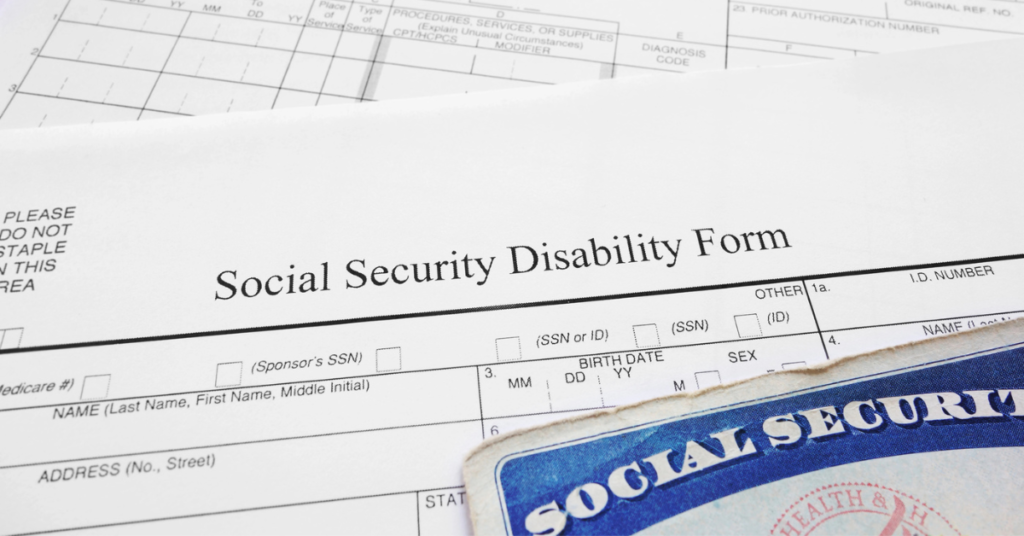
Perhaps one of the most valuable documents in your entire file is a medical source statement, sometimes called a Residual Functional Capacity (RFC) form. This is a form your doctor can fill out that directly addresses your ability to perform work-related tasks. It may include details such as how long you can sit or stand, whether you need breaks throughout the day, or if you’re likely to miss work frequently due to your condition. A well-completed RFC by a treating physician carries a lot of weight in a disability case because it translates medical findings into real-world limitations.
What’s often less useful—though still worth including—are short appointment summaries or “visit receipts” that simply state a diagnosis without any context. A piece of paper that says “anxiety disorder” or “sciatica” won’t do much to help your claim unless it’s backed up by details about how those conditions impact your functioning. Similarly, urgent care visits or ER records may help establish a timeline, but they’re not a substitute for consistent, ongoing care by a provider who knows your full medical history.
Many applicants make the mistake of thinking that more is always better, submitting huge volumes of irrelevant or duplicate records. But what the SSA truly wants is quality over quantity—clear, consistent documentation that shows a pattern of disability and functional limitation over time.
If you’re feeling overwhelmed by the paperwork, you’re not alone. Gathering the right records—and knowing what’s relevant—is one of the reasons many people choose to work with a Social Security Disability advocate. An experienced advocate can help you identify which records are strongest, request them from your providers, and ensure they’re submitted properly to the SSA.
In the end, your medical records tell the story of your condition. The stronger and clearer that story is, the more likely it is that your claim will be approved. Don’t leave it to chance. Take the time to get it right—or work with someone who knows how to do it for you.
Navigating the intricacies of Social Security Disability benefits can be made more manageable with the assistance of the expert North Carolina disability specialists, Golson, McCracken Inc. Our team specializes in advocating for the rights of the disabled and offers our clients comprehensive support throughout the application and appeals process.
Golson, McCracken Inc. provides services across North Carolina including Raleigh, Sanford, Mebane, Greensboro, and Charlotte. If you suffer from a disability in North Carolina, contact North Carolina SSDI and SSI advocate Golson, McCracken Inc. to enhance your chances of successfully securing the benefits you need.
-
Do You Have
a Claim?Do not feel as though you have to go through this process on your own. Find out if you qualify to receive benefits now.
About SSD Eligibility -
Proud Advocates
for the DisabledYour choice in advocacy could be instrumental to the success of your case. Don’t put your financial benefits at risk!
How We Can Help You -
No Fees
Until We WinOur ultimate goal is to maximize your approval and minimize any complication. You pay no fees unless we win!
Get Started Today
